
Chatham County Dissolution Of Marriage Records
Chatham County dissolution of marriage records are filed and maintained by the Superior Court Clerk in Savannah, Georgia. These records are public under Georgia's Open Records Act, and anyone can request copies of filed petitions, final decrees, and related case documents. The Superior Court has handled all dissolution filings in Chatham County since Georgia unified this process at the county level, meaning every case from a simple uncontested matter to a complex contested proceeding goes through the same clerk's office on Montgomery Street. This guide covers how to find records, who to contact, what to expect when you file, and where to look for historical records dating back decades.
Chatham County Quick Facts
Superior Court Clerk - Where Records Are Filed
All dissolution of marriage cases in Chatham County go through the Superior Court Clerk's office. The clerk of record is Hon. Tammie Mosley, and the courthouse is at 133 Montgomery Street in downtown Savannah. You can reach the clerk's office by phone at (912) 652-7200. Office hours are Monday through Friday, 8:30 a.m. to 5:00 p.m. Mailed requests go to PO Box 1027, Savannah, GA 31402. The county's main website is chathamcounty.gov, where you can find links to court information and contact details for various departments.
When you visit in person, bring a valid photo ID. The clerk's staff can look up cases by party name or case number. They can tell you what documents are on file and what the fees are for certified copies. Certified copies of a final decree typically run a few dollars per page, plus a certification fee. If you only need to confirm a case exists, a plain copy costs less than a certified one. Call ahead if you have a large request so staff can pull the file before you arrive.
If you need to file a new dissolution petition in Chatham County, at least one spouse must have lived in Georgia for six months before filing, as required under Georgia law. The filing fee is paid to the clerk at the time you submit your petition. After service is complete, there is a mandatory 30-day waiting period before a final decree can be entered, even in uncontested cases.
Online Access Through State Portals
Georgia offers several statewide tools for finding court records online. The Georgia Superior Court Clerks' Cooperative Authority, known as GSCCCA, maintains a records portal used by many counties. Not all case types are available through every portal, but it is worth checking before you make a trip to the courthouse. The GSCCCA can be reached at (404) 327-9058.
The Georgia Superior Court Clerks' Association keeps a directory of all county clerks. If you are not sure which office to contact, the Find My Clerk tool lets you search by county or city to get direct contact information. This is helpful if a party lived in multiple counties or if you are not sure where a case was filed.
The screenshot below shows the Superior Court Clerks' Association directory, a good starting point for locating the right office fast.
Source: Georgia Superior Court Clerks' Association
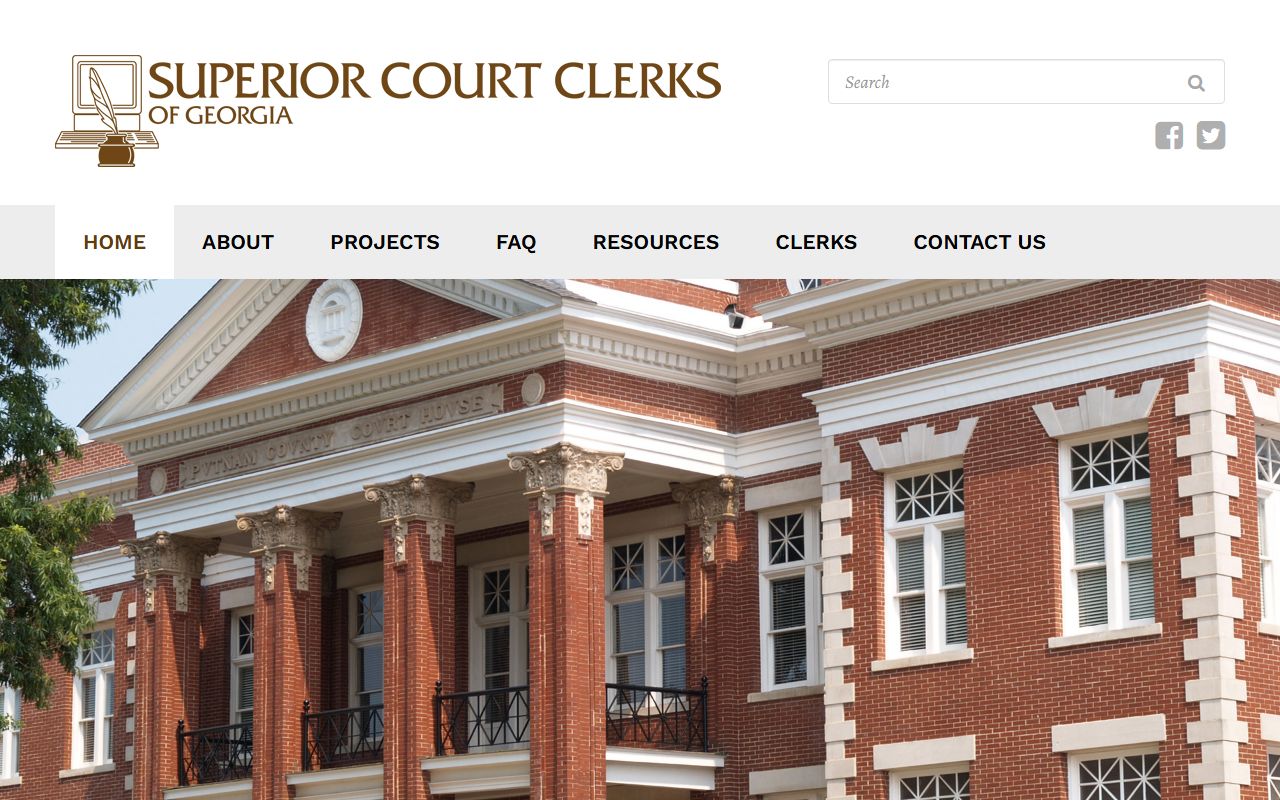
From this directory, you can get the clerk's current address, phone, and any online portal links for Chatham County and every other Georgia county.
PeachCourt is another state resource for e-filing and case access. Some counties in Georgia allow online document submission through PeachCourt, which can save a trip to Savannah if you are filing from out of the area. Check whether Chatham County currently accepts e-filings through this system before you try to submit documents remotely.
This screenshot shows the Georgia Courts portal, which links to court information statewide including Superior Court resources in Chatham County.
Source: georgiacourts.gov
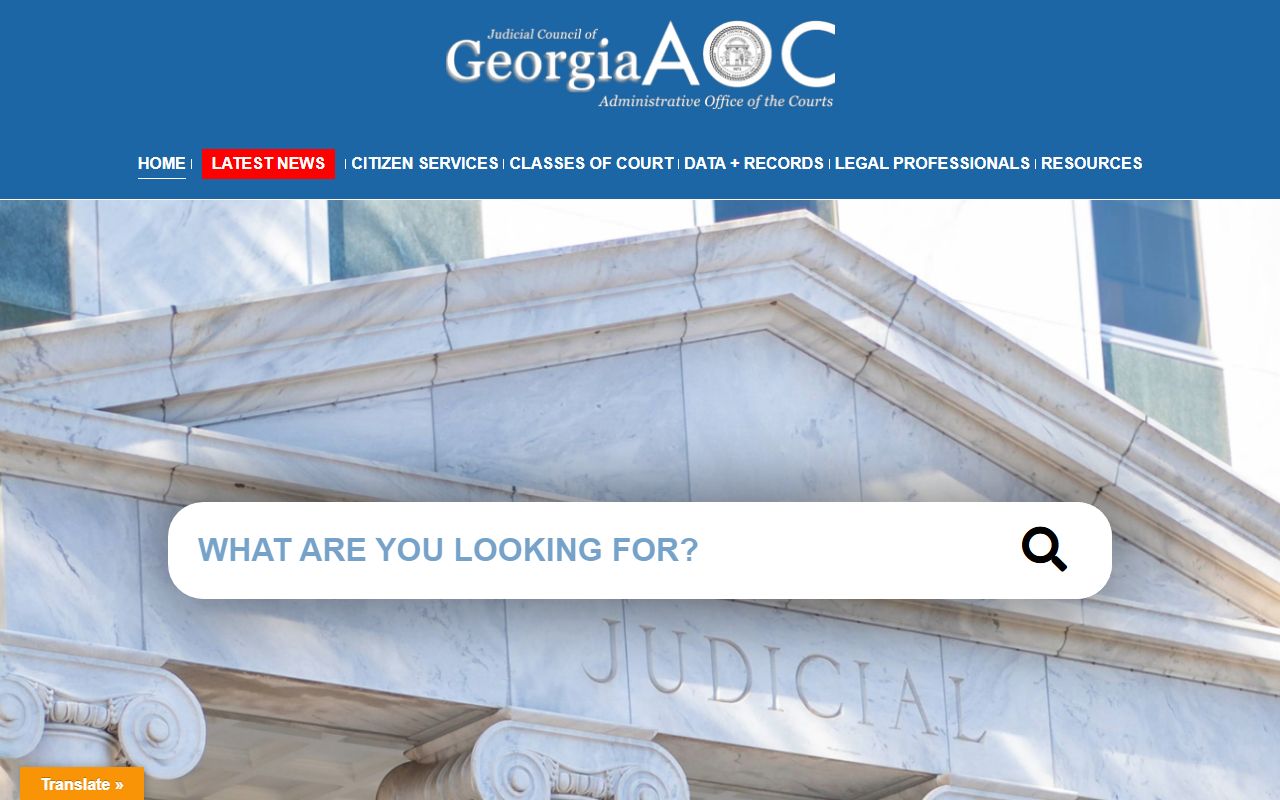
The courts portal includes links to court calendars, clerk contacts, and filing guides for each judicial circuit in Georgia.
Georgia Residency and Filing Requirements
To file for dissolution of marriage in Chatham County, at least one spouse must have been a Georgia resident for at least six months. This requirement comes from Georgia Code Title 19. If you just moved to Chatham County from another state, you may need to wait before you can file here. The case must be filed in the county where the defendant lives, unless the defendant lives out of state, in which case you can file in the county where the plaintiff lives.
Georgia law lists 13 grounds for dissolution of marriage. The most common is that the marriage is "irretrievably broken," which is a no-fault ground that does not require proof of wrongdoing. Other grounds include adultery, desertion, and cruel treatment. Most uncontested cases use the irretrievably broken ground because it is simpler and faster. You can read the full statutory language at Georgia Code Section 19-5-3 or through the Justia Georgia Title 19 Chapter 5 page.
After the defendant is served with the petition, there is a 30-day waiting period. During this time, the defendant can file an answer. If both parties agree on all terms, the case can be resolved quickly after the waiting period ends. If there are disputes over property, children, or support, the case moves into contested proceedings, which take longer and often involve hearings before a judge.
Historical Records and the Georgia Archives
For older dissolution of marriage records, the Georgia Archives holds a statewide index covering 1965 to 1971 and 1973 to 1999. This index does not contain full case files, but it can help you confirm that a dissolution occurred and identify the county where it was filed. Once you know the county, you can contact that clerk's office for the actual documents. The Georgia Archives are at georgiaarchives.org.
For records from 1952 through 1996, the Georgia Department of Public Health also maintains a vital records verification service. This is not the same as a certified copy of the court decree, but it can confirm the dissolution is on file with the state. The DPH office is at 1680 Phoenix Blvd Suite 100, Atlanta, GA 30349, phone (404) 657-2700. Their website is dph.georgia.gov/VitalRecords. Note that DPH verifications only cover that specific date range; for records before 1952 or after 1996, go directly to the Superior Court Clerk.
The image below shows the Georgia Archives website, where you can access the statewide dissolution index and other historical court records.
Source: Georgia Archives
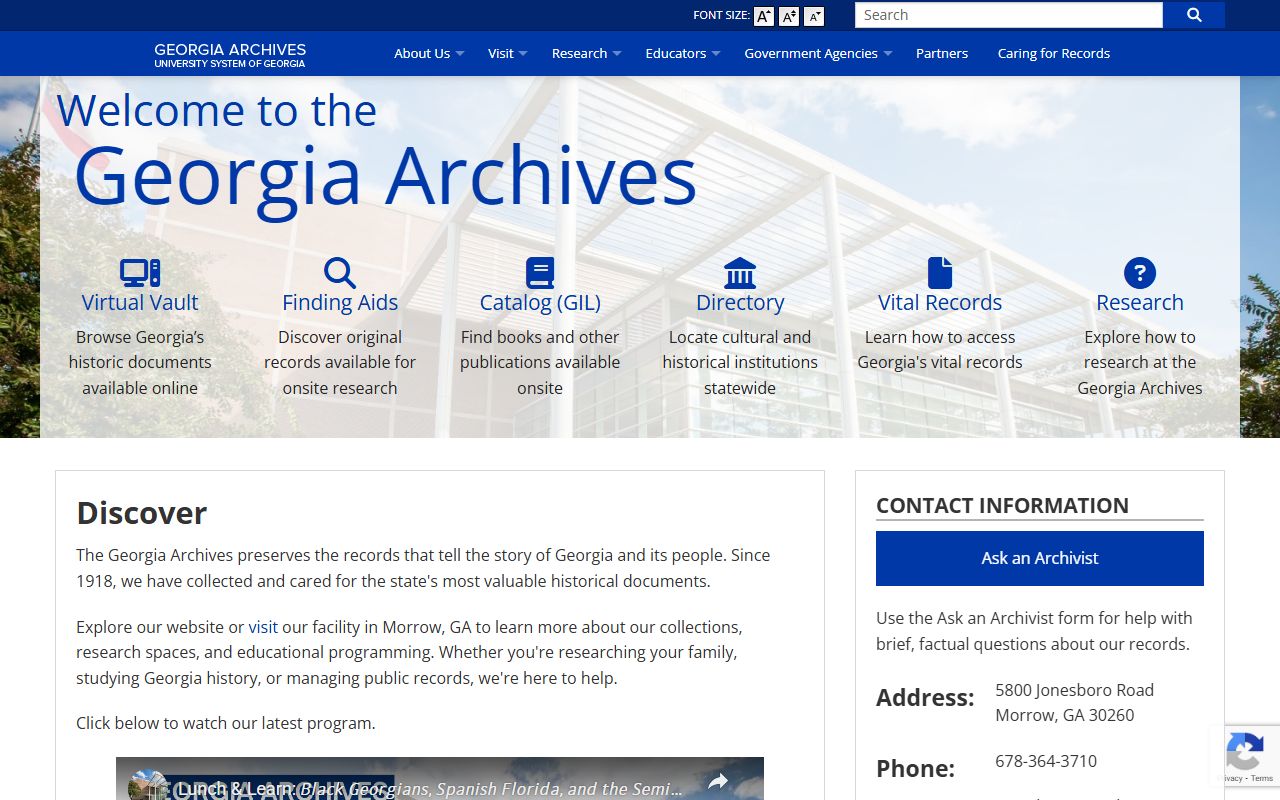
The Archives' dissolution index is searchable by name and covers records from dozens of Georgia counties, making it a useful first step for genealogical or legal research.
Legal Help and Resources in Chatham County
If you need legal help with a dissolution case in Chatham County, several resources are available. Georgia Legal Services Program serves lower-income residents across the state; their website is glsp.org. Georgia Legal Aid also offers online self-help tools and guides at georgialegalaid.org. These resources can help you understand the process, fill out forms correctly, and know your rights before you go to court.
If you want to hire a private attorney, the Georgia Bar runs a lawyer referral service at gabar.org, reachable by phone at 1-800-334-6865. A referral can connect you with a family law attorney who handles dissolution cases in the Savannah area. Many attorneys offer a low-cost initial consultation, which can be worth the investment even if you plan to handle most of the case yourself.
Chatham County is in the Eastern Judicial Circuit of Georgia. The circuit covers Chatham County alone, which means the Superior Court here has significant experience with all types of dissolution cases, including those involving military personnel from nearby installations. If your case involves a service member, special rules may apply under federal law in addition to Georgia's requirements.
Cities in Chatham County
Chatham County includes several communities along Georgia's coast. The two largest cities that have dedicated records pages are listed below.
Other communities in Chatham County include Garden City, Port Wentworth, Thunderbolt, Tybee Island, and Bloomingdale. These cities do not have separate pages, but dissolution filings from all of them are handled through the same Superior Court Clerk's office in Savannah.
Nearby Counties
If a case may have been filed in a neighboring jurisdiction, the counties that border or are near Chatham County include the following.