
Search Forsyth County Dissolution of Marriage Records
Dissolution of marriage records in Forsyth County are filed with and maintained by the Superior Court Clerk in Cumming, Georgia. The clerk's office at the Forsyth County Courthouse handles all civil case filings, certified copy requests, and public record access for dissolution cases filed in this county. Whether you need to look up an old case, get a certified copy of a final decree, or understand what the filing process involves, this page covers those topics and points you to the right resources.
Forsyth County Quick Facts
Forsyth County Superior Court Clerk
The Forsyth County Superior Court Clerk in Cumming is the official custodian of all dissolution of marriage records filed in this county. The courthouse sits on the Cumming square at 100 East Courthouse Square. Forsyth County has grown quickly over the past two decades, and the clerk's office handles a high volume of civil filings. If you plan to visit, going early in the week tends to mean shorter wait times.
| Office | Forsyth County Superior Court Clerk |
|---|---|
| Address | 100 East Courthouse Square, Cumming, GA 30040 |
| Mailing Address | PO Box 1307, Cumming, GA 30130 |
| Phone | (770) 781-2120 |
| Hours | Monday through Friday, 8:30 AM to 5:00 PM |
| Website | forsythco.com |
| Online Records | portal.forsythco.com/portal |
| Directory | Find My Clerk |
Mail requests go to PO Box 1307, Cumming, GA 30130. Include both parties' names, the filing year if you know it, and a return address. The clerk will confirm fees and turnaround time after locating the record.
Forsyth County also maintains an online records portal at portal.forsythco.com/portal. This is a useful starting point for confirming a case exists before you contact the clerk for certified copies. The portal may not include all case documents, but it can give you a case number and basic filing information.
Online Records Portal and Search Tools
Forsyth County's online portal at portal.forsythco.com/portal provides access to civil case information, including dissolution of marriage filings. The portal is free to search. You can look up cases by party name or case number. For records research or pre-filing verification, this is often the most efficient first step before calling the clerk's office.
The screenshot below shows the main GSCCCA portal. Forsyth County records are indexed there alongside filings from other Georgia counties, and the system can help you find recorded instruments connected to a dissolution case.
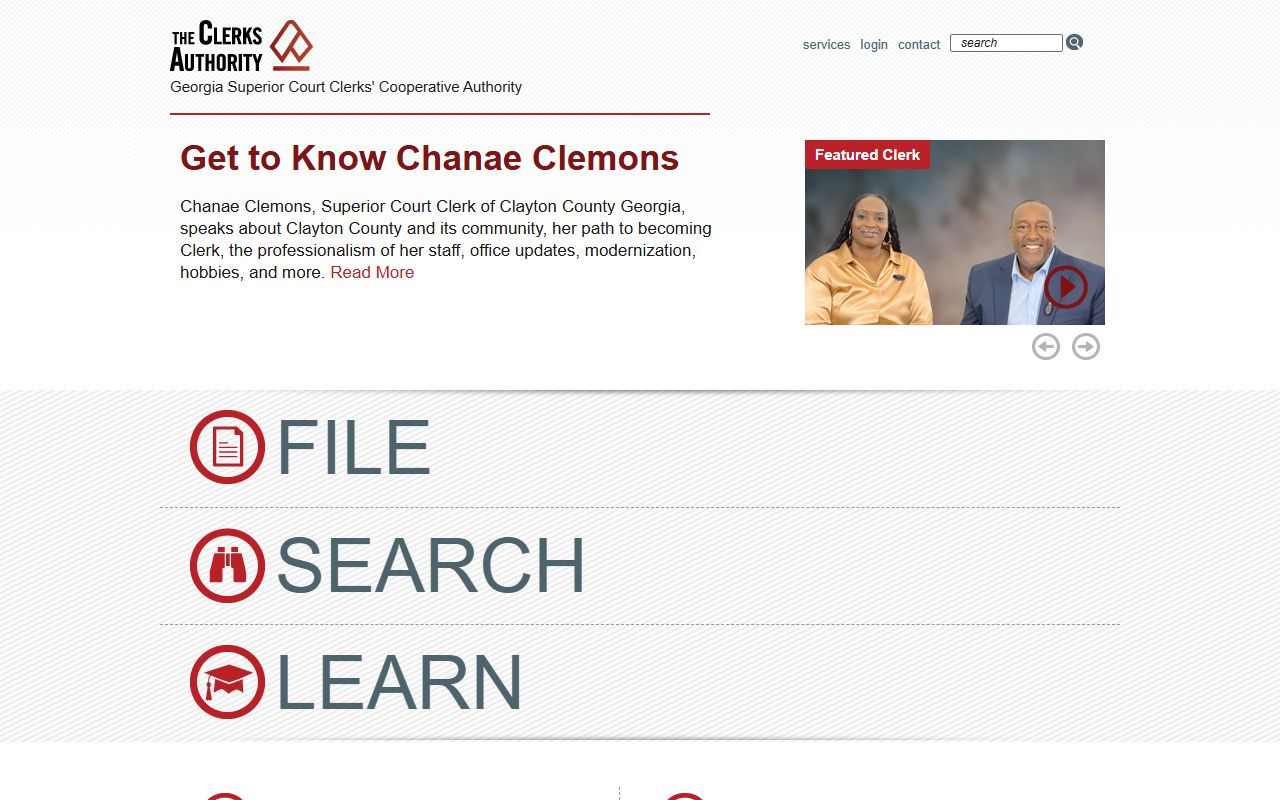
The GSCCCA at gsccca.org indexes civil filings and recorded documents from Georgia's 159 counties. If a dissolution of marriage case in Forsyth County involved a recorded deed or name change order, that instrument may be searchable by name through the GSCCCA. The portal is available to the public at no charge for basic searches.
PeachCourt at peachcourt.com is Georgia's statewide eFiling platform. Forsyth County participates in eFiling, so cases filed electronically by attorneys will appear in PeachCourt's case management system. Cases filed on paper before eFiling was in use may not appear there, but anything filed in recent years should be findable.
The screenshot below is from the Forsyth County Clerk's own website at forsythco.com, which links to both the online portal and contact information for the clerk's office.
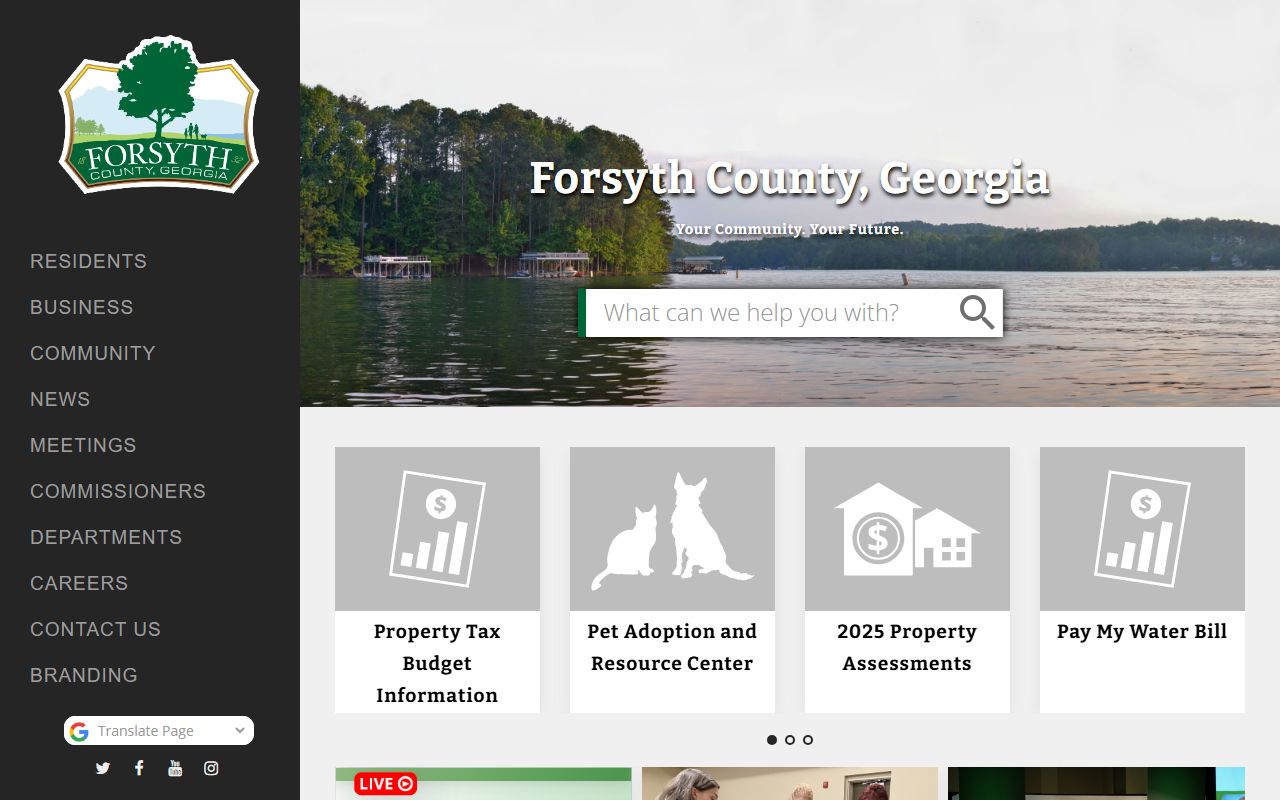
The clerk site also includes information about what types of documents are available, how to request copies, and where to find forms for new filings.
How to Request a Certified Copy
Certified copies of dissolution of marriage decrees are the most commonly requested documents from the Forsyth County clerk. These copies are needed for name changes, updating insurance policies, property transfers, and many other legal and administrative purposes. The clerk can certify copies of the final decree and other documents from the case file.
To request a certified copy, you can visit the courthouse in person at 100 East Courthouse Square, send a written request by mail to PO Box 1307, or use the online portal to identify the case before submitting a copy request. Mail requests should include both parties' full names, the approximate filing year, your contact information, and a note that you are requesting a certified copy of the final decree.
Walk-in requests at the Cumming courthouse are handled during regular business hours, Monday through Friday from 8:30 AM to 5:00 PM. Call (770) 781-2120 before visiting if you have questions about what to bring or whether a particular file is available on-site or in storage.
Vital Records and the 1952 to 1996 Window
The Georgia Department of Public Health maintains dissolution of marriage verifications for cases filed between 1952 and 1996. These are not full court documents but rather confirmation letters that a dissolution was recorded with the state during that period. If you just need to verify that a case exists and it falls in that window, DPH can be faster than a courthouse search.
DPH Vital Records is online at dph.georgia.gov/VitalRecords. For cases outside the 1952 to 1996 range, the Forsyth County clerk is the only official source. DPH cannot help with cases before 1952 or after 1996, and they do not issue certified copies of actual court decrees.
Filing a New Dissolution of Marriage Case
To file a dissolution of marriage in Forsyth County, at least one spouse must meet Georgia's six-month residency requirement. The case is filed with the Superior Court Clerk at the Cumming courthouse. Forsyth County falls under the Blue Ridge Judicial Circuit. The filing fee is due at the time you submit your petition; call the clerk at (770) 781-2120 for the current amount.
Georgia requires a 30-day waiting period after service of process before a final decree can be entered. In uncontested cases where both parties agree on all terms, the process can often be completed relatively soon after the waiting period passes. Contested cases involving disagreements over assets, custody, or other matters take longer and may involve multiple hearings.
Forms for filing are available through the clerk's office. Some self-help forms are also available through Georgia Legal Aid at georgialegalaid.org. If you are representing yourself, review the forms carefully before filing. Errors in the paperwork can delay your case.
Legal Help in Forsyth County
The Georgia Legal Services Program provides civil legal help to low-income residents across the state. If you meet income eligibility requirements, they may be able to assist with a dissolution of marriage case in Forsyth County. Their site is at glsp.org.
Georgia Legal Aid at georgialegalaid.org offers free self-help guides and interactive tools for people navigating civil cases without an attorney. The site has plain-language explanations of how dissolution of marriage works in Georgia and what steps are required.
The State Bar of Georgia runs a lawyer referral program that can connect you with a licensed attorney in the Forsyth County area. Call 1-800-334-6865 or visit gabar.org to get started. A referral can be useful if you want at least an initial consultation before deciding whether to hire representation.
Georgia Archives for Older Records
For dissolution of marriage cases from the early to mid-twentieth century, the Georgia Archives in Morrow may hold transferred court records. The Archives is worth checking if you are doing genealogical research and the case predates what the clerk's office currently maintains on-site. Contact the Archives directly to find out what Forsyth County records, if any, are held there.
Cities in Forsyth County
Cumming is the county seat of Forsyth County. While the county as a whole has grown rapidly, no cities within Forsyth County currently meet the population threshold for a dedicated records page on this site. Cumming's city proper population remains relatively small even as the surrounding area has expanded.
Residents throughout Forsyth County file dissolution of marriage cases at the Superior Court Clerk's office in Cumming regardless of which part of the county they live in.
Nearby Counties
Forsyth County borders several counties in north Georgia. Each has its own Superior Court Clerk handling dissolution of marriage records.